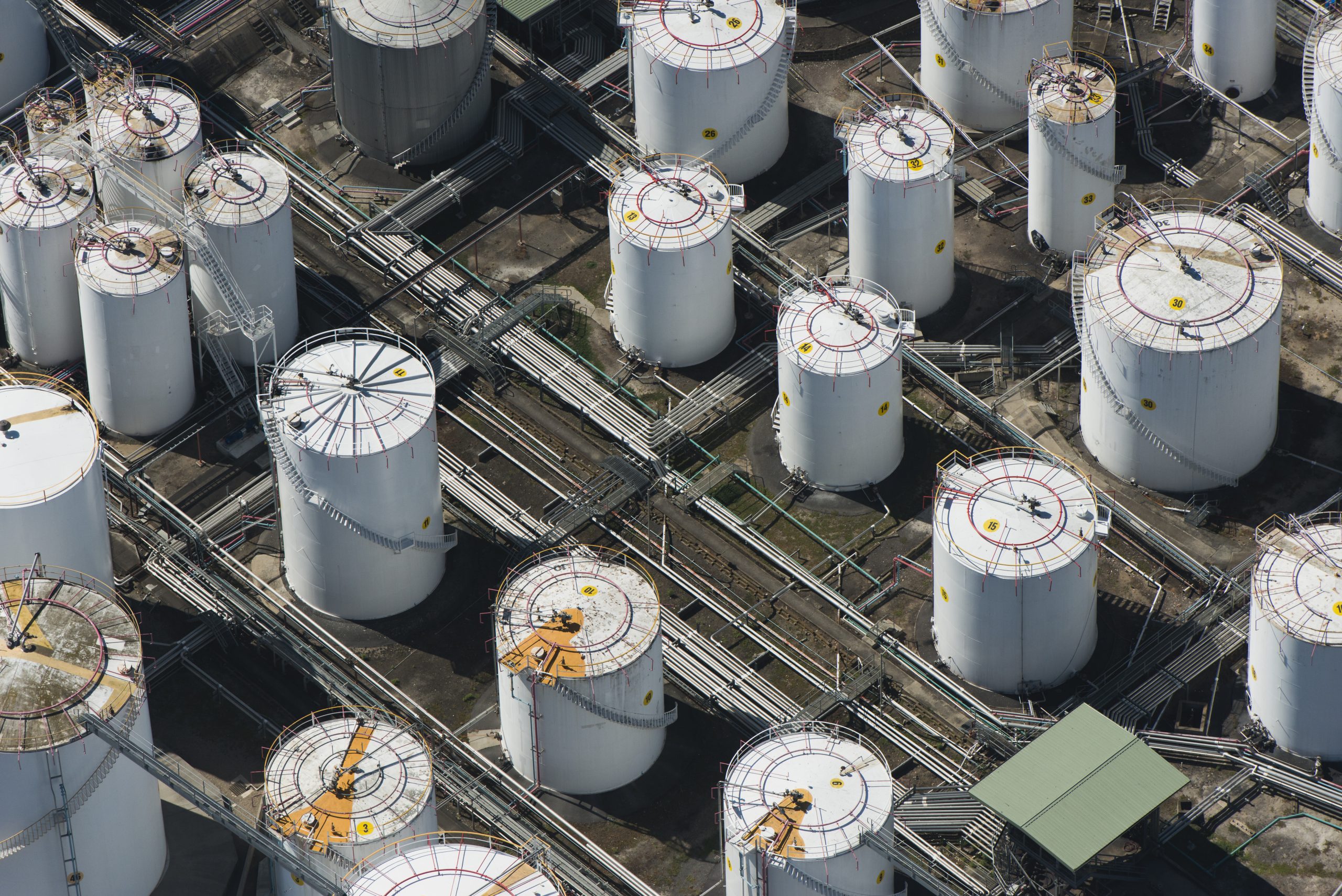
How Storage Partners Helps Fuel Wholesalers Secure Credible Petroleum Depot Access
Storage Partners assists fuel wholesalers with credible petroleum depot access, shared storage and storage documentation for petroleum wholesale license applications in South Africa.
For many new fuel wholesalers, the storage question becomes one of the most difficult parts of market entry. The applicant may understand the opportunity, have customer discussions, start supplier conversations and prepare a business plan, but still lack a credible way to explain where fuel will be stored, accessed, collected, loaded or delivered from.
That gap matters. A petroleum wholesale license application should not rely on vague storage wording or a generic depot letter. It should present a realistic operating model that can be explained, supported and implemented.
Storage Partners exists to help close that gap: not by creating artificial storage evidence, but by helping applicants develop a more accurate, transparent and commercially defensible depot access position.
The Storage Problem Facing New Fuel Wholesalers
New entrants often face a practical problem: they need to show a credible wholesale operating model, but they do not yet own a depot, control tanks, operate loading gantries or have long-term infrastructure arrangements in place.
This is commercially understandable. Building or leasing petroleum storage infrastructure before a new wholesale business has proven volumes can be expensive and unrealistic. At the same time, an application that does not explain storage, depot access, throughput, collection or supplier-direct delivery can look incomplete or weak.
The result is a common storage gap: the applicant needs credible evidence of how product will move through the supply chain, but the documentation often does not match the actual business model.
Storage Partners helps applicants move from a generic statement such as “storage is available” to a clearer storage position that identifies the facility, product, access model and commercial logic behind the arrangement.
Why Storage Evidence Matters in a Wholesale License Application
Petroleum wholesale license applications are currently administered through the Department of Mineral and Petroleum Resources (DMPR). Many applicants still refer to the former Department of Mineral Resources and Energy (DMRE) because older forms and industry references still use that terminology. The DMPR petroleum licensing resources page lists the official wholesale, retail, manufacturing and temporary petroleum license resources, including wholesale license application and annual submission documents.
A petroleum wholesale license is linked to bulk petroleum trading. The South African Government describes a petroleum wholesale license as allowing a business to buy petroleum products in bulk, being 1,500 litres or more per transaction, from a licensed manufacturer and sell those products to end users.
Because wholesale trading is a bulk activity, the applicant’s storage and distribution model must make commercial sense. If the applicant relies on a depot, shared storage, throughput access, collection access or supplier-direct delivery, the application should explain that model clearly.
Storage Does Not Always Mean Owned Infrastructure
A common misunderstanding is that a fuel wholesaler must own a petroleum depot before applying for a wholesale license. That is not always the correct position.
The wholesale license application form requires applicants to list storage and distribution facilities intended to be used, including shared storage and shared distribution facilities. It asks for details such as location, capacity, ownership, ownership of the land, the basis of sharing and the names of other wholesalers sharing the same facilities.
The same form also contains a wholesale declaration for applicants who do not have storage facilities because they will buy from a supplier who delivers directly to their clients.
The important point is therefore not whether every applicant owns a depot. The important point is whether the applicant’s operating model is disclosed accurately and supported by appropriate documentation.
If the applicant uses shared storage, that should be disclosed as shared storage. If the applicant uses throughput or collection access, that should be described accurately. If the applicant relies on supplier-direct delivery, that model should not be dressed up as depot storage.
What Storage Partners Does
Storage Partners supports applicants where their wholesale model requires credible depot access, shared storage, throughput access, collection access or storage documentation.
The service is designed to help applicants build a clearer storage evidence pack that aligns with the wholesale license application and business plan.
This may include:
- Identifying suitable petroleum depot access options.
- Supporting shared petroleum storage arrangements.
- Assisting with diesel depot access or diesel-specific storage documentation.
- Helping applicants avoid weak, generic or unsupported storage letters.
- Clarifying whether the model is storage, shared storage, throughput, collection or supplier-direct delivery.
- Aligning the storage position with the product, province, customer base and logistics model.
- Helping applicants present a more credible storage evidence pack.
The value is not merely a letter. The value is a more disciplined storage position that supports the applicant’s overall wholesale licensing strategy.
What Storage Partners Does Not Do
Storage Partners does not replace the role of depot owners, depot operators, engineers, environmental consultants, fire specialists, municipal authorities, legal advisers, occupational health and safety professionals or petroleum infrastructure regulatory specialists.
A depot access letter is not the same as full depot compliance. The lawful operation of a petroleum storage facility remains the responsibility of the depot owner or operator. Where technical, fire, environmental, municipal, land-use, occupational health and safety, National Energy Regulator of South Africa or other specialist requirements apply, those matters should be addressed by the appropriate professionals or authorities.
Storage Partners focuses on the applicant’s depot access and storage evidence position. It does not certify the technical compliance of the depot itself.
Who Storage Partners Helps
Storage Partners is designed for fuel wholesalers and license applicants that need a stronger, more credible storage position.
This includes:
- New fuel wholesalers applying for a petroleum wholesale license.
- Applicants that do not own a depot or storage facility.
- Diesel wholesalers that need depot access or shared diesel storage.
- Applicants whose storage evidence is weak, generic or outdated.
- Applicants that need a depot access letter or shared storage confirmation.
- Applicants who need to align storage evidence with a business plan.
- Consultants assisting petroleum wholesale license applicants.
- Depot owners or operators who want to make capacity or access available through a more structured process.
The Storage Partners Approach
A strong storage position is built in stages. Storage Partners follows a practical approach that helps applicants avoid unclear or overstated storage claims.
1. Understand the Applicant’s Operating Model
The first step is to understand how the applicant intends to operate. Will the business store product, use shared storage, collect from a depot, move product through a facility, or rely on supplier-direct delivery? The storage evidence should support the actual model, not a model invented for the application.
2. Match the Storage Position to the Product
Petroleum storage is product-specific. A diesel depot access arrangement does not automatically support petrol, liquefied petroleum gas, aviation fuel or other products. The storage documentation should identify the relevant product clearly.
3. Match the Storage Position to the Market
The depot location should make commercial sense in relation to the applicant’s province, target customers, supplier model and logistics arrangements. A storage letter that is disconnected from the business plan can create more questions than answers.
4. Confirm Authority and Facility Details
A depot access letter should come from a party with authority over the facility or access arrangement. The documentation should identify the depot owner or operator, the facility address, the product and the type of access being provided.
5. Prepare Specific Storage Documentation
Storage evidence should be specific, factual and conservative. It should avoid vague phrases and avoid implying ownership, exclusive control or allocated capacity where those rights do not exist.
6. Align the Storage Evidence With the Business Plan
The storage evidence, business plan, supplier model, customer model, logistics plan and application form should tell one coherent story. Inconsistent documentation can weaken an otherwise reasonable application.
7. Keep the Position Honest and Defensible
The strongest storage evidence is not the most aggressive. It is the most accurate. A transparent shared storage or depot access position is stronger than an exaggerated letter that creates a false impression.
Storage Options That May Support a Wholesale Model
Depending on the applicant’s business model, different storage and access routes may be relevant.
- Shared storage: access to petroleum storage infrastructure that may also be used by other parties.
- Allocated storage: a specific volume or capacity position made available to the applicant, subject to the commercial arrangement.
- Depot access: access to a depot for storage, loading, collection or related operational use.
- Throughput access: the ability to move product through a facility without necessarily holding dedicated tank capacity.
- Collection access: the ability for the applicant or transporter to collect product from a depot.
- Supplier-direct delivery: a model where the supplier delivers directly to the applicant’s clients without the applicant storing the product.
Each model can be valid if it is true, properly documented and aligned with the application. The risk comes from presenting one model as another.
Why Generic Storage Letters Create Risk
Generic storage letters often create a false sense of security. They may appear to satisfy a checklist, but they do not necessarily explain the applicant’s operating model.
A weak letter often fails to identify the applicant, depot, product, capacity or access type. It may not explain whether the arrangement is shared, exclusive, conditional, throughput-based, collection-based or supplier-direct. It may also be issued by a person whose authority over the facility is unclear.
A credible storage letter should be specific enough that a third party can understand what is being confirmed without guessing.
What Credible Storage Evidence Should Show
A credible storage evidence pack should usually answer the following questions:
- Who is the applicant?
- Who owns or operates the depot?
- Where is the facility located?
- Is the facility operational?
- Which petroleum product is covered?
- What type of access is being provided?
- Is capacity allocated, shared, conditional or not applicable?
- Is the arrangement exclusive or non-exclusive?
- Who is authorised to issue the confirmation?
- Does the storage evidence align with the business plan and application form?
The Role of the National Energy Regulator of South Africa
The National Energy Regulator of South Africa (NERSA) is relevant where petroleum pipelines, loading facilities or storage facilities fall within the petroleum pipelines regulatory framework. NERSA’s petroleum pipelines function includes regulating aspects of petroleum pipelines, storage facilities and loading facilities, including issues such as tariffs, license compliance and access to regulated infrastructure.
This does not mean that every wholesale license applicant must own or operate a NERSA-licensed storage facility. It also does not mean that a NERSA-regulated facility automatically gives a wholesale applicant access to that facility.
Where a facility is NERSA-regulated, the applicant should still obtain clear access evidence from the owner, operator or authorised party. NERSA status may support the credibility of the infrastructure, but it does not replace applicant-specific depot access documentation.
When to Contact Storage Partners
Applicants should consider contacting Storage Partners before submitting a wholesale license application, especially if the storage position is unclear or based on a generic letter.
Storage Partners may also assist where an application has already been queried, delayed or placed at risk because the storage evidence does not support the applicant’s business plan.
The best time to fix the storage position is before the application is submitted. The second-best time is before a weak storage response creates further risk.
Why Work With Storage Partners?
Storage Partners brings structure to one of the most difficult parts of petroleum wholesale market entry. The service helps applicants move from vague storage evidence to a clearer, more defensible storage access position.
The market needs a better bridge between new wholesalers that need credible depot access and depot owners or operators that may be able to support legitimate storage, throughput or collection arrangements. Storage Partners is built to help bridge that gap in a way that is accurate, commercial and transparent.
For applicants, this can improve the quality of the licensing submission. For depot owners and operators, it can create a more structured way to support legitimate wholesale applicants without creating misleading or unsupported documentation.
Conclusion
Storage Partners supports fuel wholesalers with credible petroleum depot access, shared storage, diesel depot access and storage documentation for wholesale license applications in South Africa.
A wholesale applicant does not always need to own a depot. Some applicants may rely on supplier-direct delivery. Others may rely on shared storage, throughput access, collection access or depot access. The important point is that the chosen model must be accurate, properly disclosed and commercially workable.
A strong storage position can improve the credibility of a petroleum wholesale license application and reduce avoidable storage-related questions.
Storage Partners assists petroleum wholesalers with credible depot access, shared storage, diesel depot access and storage documentation for wholesale license applications in South Africa.
Need credible depot access or shared petroleum storage for a wholesale license application?
Contact Storage Partners to discuss storage options for your application.