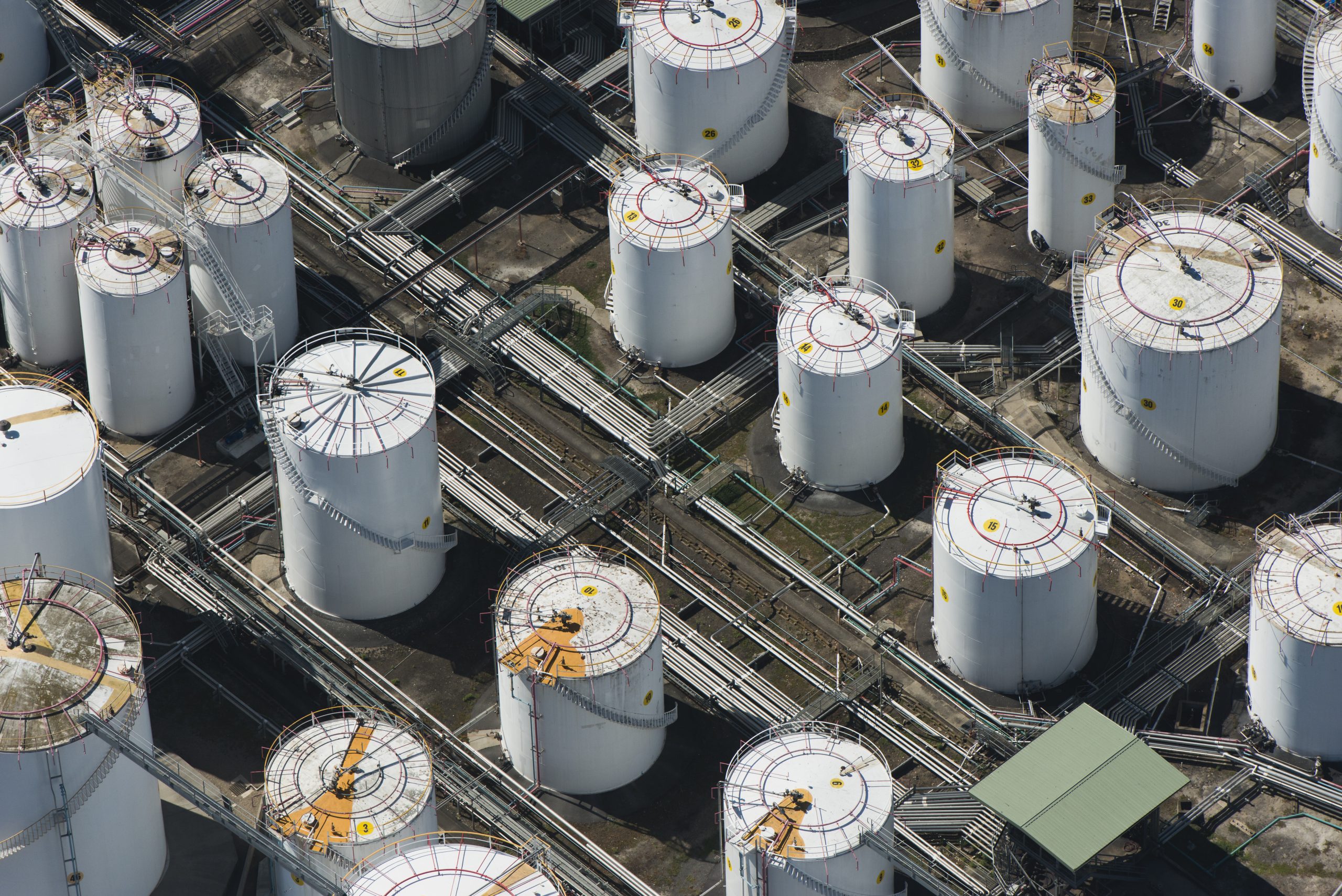
Petroleum storage is one of the most misunderstood parts of a South African wholesale license application. Applicants often assume that every wholesaler must own or lease a depot before applying. In practice, the storage and distribution model should reflect how the proposed wholesale business will actually operate.
The current DMPR wholesale application framework asks applicants to explain the storage and distribution facilities they intend to use, including shared facilities. The official application documentation also caters for applicants that do not have storage because a supplier will deliver directly to customers. The key is therefore not to force every applicant into the same model, but to present a credible and internally consistent operating structure.
Storage must match the business model
A wholesale license application should explain how petroleum products will move from an authorised source to the customer. Depending on the proposed operation, that may involve a depot, shared storage, throughput arrangements or supplier-direct delivery.
The business plan, application form, financial model, supply arrangements, transport structure and storage documentation should all describe the same model. Contradictory documents can create unnecessary regulatory questions.
Where depot storage is used
Applicants intending to use a petroleum storage facility should be able to identify the facility, the legal entity controlling it, the products it can handle and the basis on which access will be provided. Where capacity is shared, the arrangement should be genuine and capable of verification.
A storage letter on its own does not create a credible storage arrangement. The supporting relationship should make commercial and operational sense.
Shared storage can be practical
Many wholesalers do not require a dedicated depot. Shared storage allows multiple businesses to access a facility subject to available capacity, product compatibility, commercial terms and the depot operator’s approval.
For license-application purposes, the documentation should be applicant-specific and should accurately describe the intended relationship. Generic letters issued without reference to genuine capacity or authority can create risk for both the applicant and the depot.
Supplier-direct delivery is a different model
Some wholesalers operate without taking physical custody of fuel at a depot. In a supplier-direct model, product may move from the licensed supplier directly to the wholesaler’s customer. This can be a legitimate operating model where it is accurately described and supported by the broader commercial arrangements.
The important distinction is that an applicant should not claim to use a depot merely to satisfy a perceived requirement when the real operating model is supplier-direct delivery.
What Storage Partners does
Storage Partners helps applicants assess which storage pathway fits their proposed business. Where depot access is appropriate, we coordinate with participating storage facilities and assist with client-specific supporting documentation. Where the proposed model is supplier-direct, the application strategy should reflect that accurately rather than creating an artificial storage arrangement.
All storage arrangements remain subject to facility approval, capacity, product compatibility, commercial terms and applicable regulatory requirements.
Related reading
Need help with the storage component of a wholesale license application? View support for wholesale applicants or contact Storage Partners.
This article provides general information and does not constitute legal advice or a guarantee of license approval.